Integrating Technology in the Modern Classroom: Balancing Screens with Interactive Learning
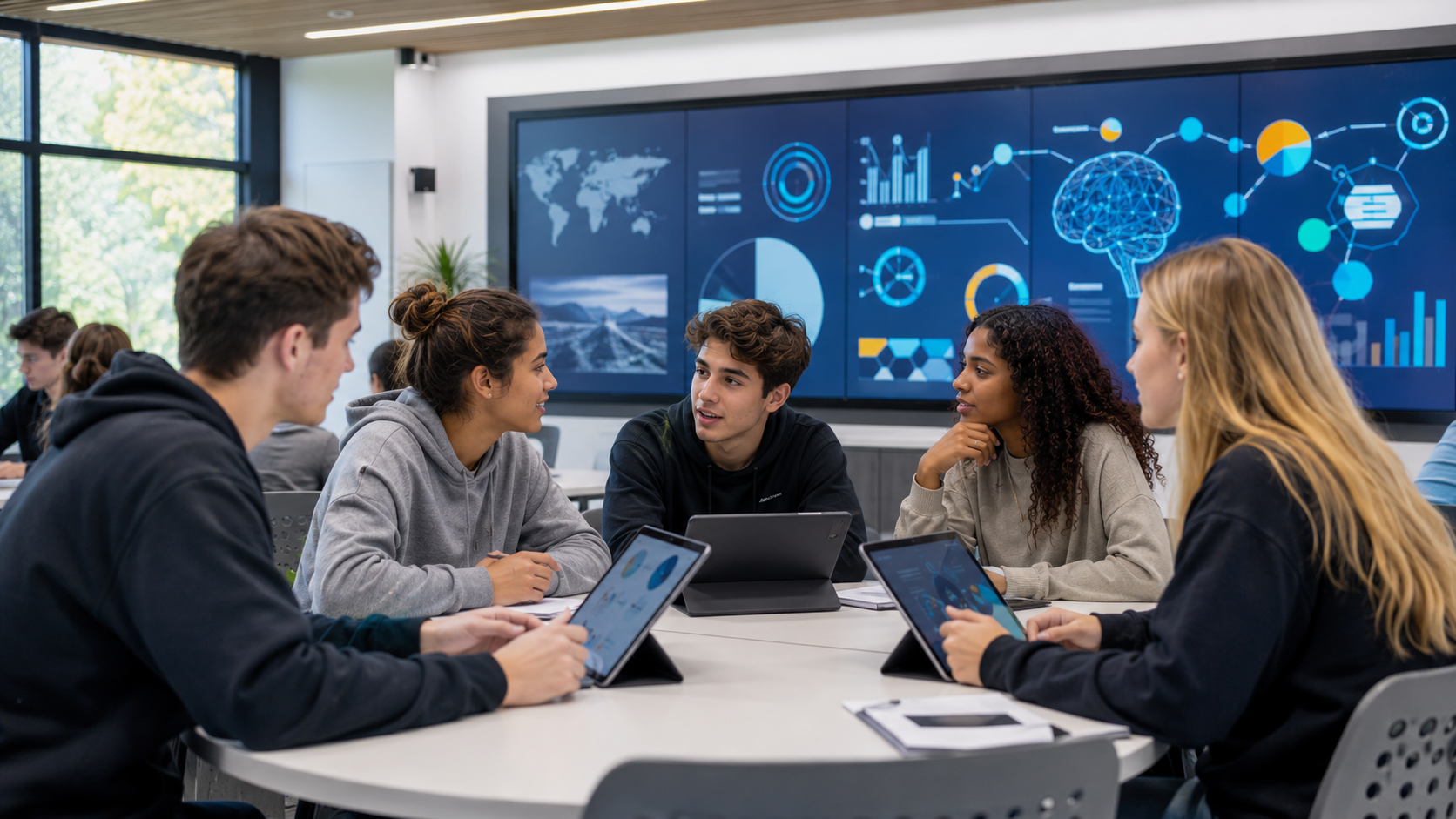
Technology has become an inseparable part of the daily lives of today’s generation. In modern schools, integrating technology in the classroom is no longer a novelty but a standard requirement to enrich the learning experience. From digital whiteboards and smart tablets to online learning management systems (LMS), tech is used to create a more dynamic classroom. However, the greatest challenge is balancing screen time to ensure it remains educational without reducing valuable human interaction.
Classroom technology has immense potential when used appropriately. For instance, students can use virtual simulations to understand chemical reactions that are dangerous in the real world, or conduct video conferences with experts from various parts of the globe to deepen their research. Technology also enables personalized learning, where learning software adjusts the difficulty level of materials based on each student’s individual learning speed, ensuring no student is left behind.
Nonetheless, technology is merely a tool, not a replacement for teachers. Schools must ensure that gadget use in class does not isolate students socially. Teachers need to design class activities that require face-to-face collaboration, group discussions, and direct physical experiments. A healthy balance between digital tool utilization and direct social interaction produces an optimal learning environment where students are not only digitally smart but also possess strong empathy and social skills.