How International Schools Prepare Students to Become Global Citizens

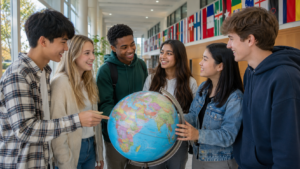
In today’s borderless world, understanding global issues and collaborating across cultures are essential skills for the younger generation. The concept of “Global Citizenship” has become a core part of the educational mission of international schools. Through curriculum, social activities, and daily interactions, international schools educate students to not only be proud of their origin but also to care for and take responsibility for broader world issues.
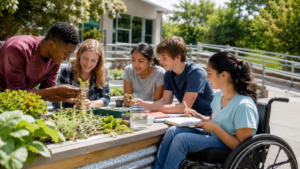
Preparation to become global citizens starts with a broad, inclusive curriculum. Students are taught world history from multiple perspectives, study environmental issues like climate change, and analyze human rights issues deeply. In international schools, the diverse student body and multinational teaching staff act as a miniature real world. This daily interaction naturally trains students to respect cultural differences, hone empathy, and communicate globally using international languages.
Additionally, international schools often facilitate student exchange programs, cross-border sports tournaments, and Model United Nations (MUN) simulations. Through MUN, for instance, students learn to act as diplomats from other countries, research foreign policies, debate academically, and find peaceful solutions to global conflicts. This experience trains leadership and critical thinking, preparing students to contribute positively to the world stage.