Art and Music in the Curriculum: Honing Emotional Intelligence and Motor Skills
While subjects like math and science are often viewed as the main pillars of school academics, arts and music education play an equally vital role in stimulating balanced child development. Modern international school curricula place visual arts, music, and theater as integral parts of the learning process to hone emotional intelligence, creativity, and motor coordination.
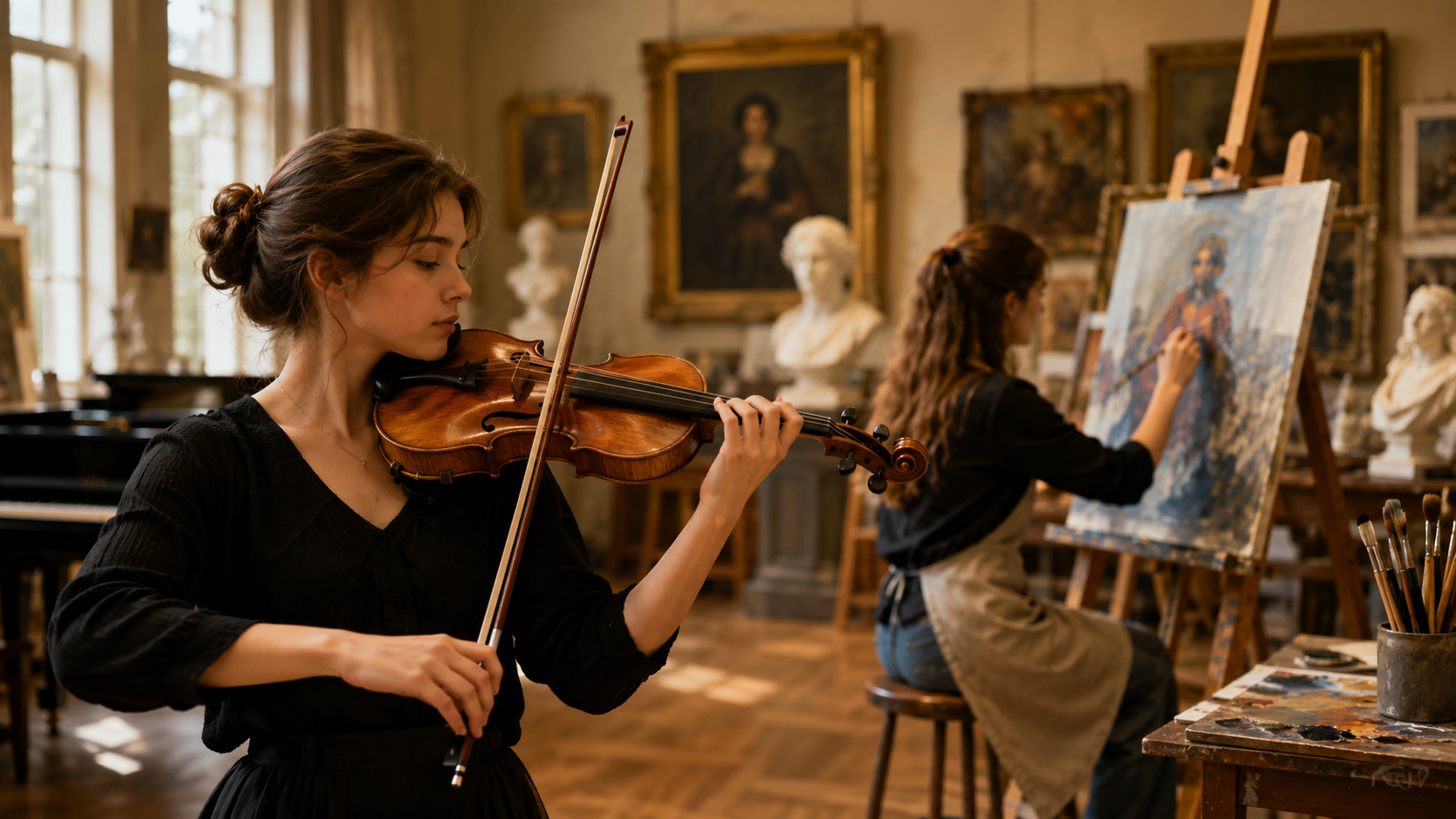
Learning to play a musical instrument early is proven to train brain plasticity. Reading sheet music while moving fingers on an instrument like the piano or violin synchronously trains complex motor coordination and concentration. Additionally, music teaches discipline through consistent practice and patience to achieve beautiful play. On the other hand, visual arts like painting, sculpting, or crafting provide a channel for children to express emotions, ideas, and perceptions that are sometimes difficult to articulate verbally.
In art and drama classes, students are also taught to appreciate the creative process and learn to accept constructive criticism to develop their work. This activity builds emotional resilience and self-confidence when performing in public. A good balance between science logic and arts appreciation produces creative, innovative, and humane graduates.